


Trump’s move to kill duty-free shipping from China will cost Canadian companies
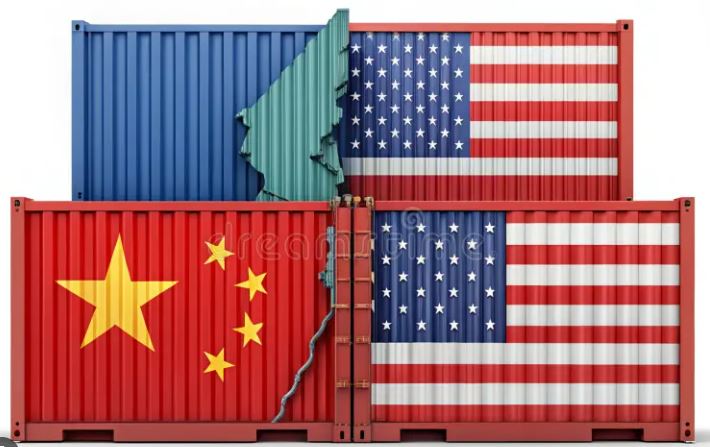
Canadian companies, from smaller retail businesses to third-party logistics providers, will soon start paying tariffs on low-value shipments from China and Hong Kong bound for the United States.
In a Wednesday executive order, U.S. President Donald Trump declared that he was eliminating the “de minimis” trade provision for goods originating from China and Hong Kong starting on May 2. The trade rule, also called Section 321, allowed goods valued at US$800 and under to enter the U.S. duty-free, allowing bargain e-commerce sites such as China’s Shein and Temu to rapidly expand in the U.S. in recent years. Approximately four million low-value shipments enter the U.S. daily.
Trump initially cancelled the provision in February, but reversed his order the same month until the government could implement new systems to collect the revenue. The White House is now mulling the creation of an “External Revenue Service” to collect new tariff revenues.
While Trump’s order applies only to China- and Hong Kong-origin products, it will have ripple effects throughout the global e-commerce and shipping industries, forcing companies to overhaul their fulfillment and manufacturing strategies.
Under the new trade rules, all low-value imports that originate from China and Hong Kong — even if routed through Canada or Mexico — will be required to pay duties and taxes when they enter into the U.S.
In 2024, around 1.36 billion shipments entered the U.S. under the de minimis rule — an increase of 114 per cent in four years, according to the U.S. Customs and Border Protection. Canada is the third-largest source of de minimis goods into the U.S., accounting for around $5 billion worth of low-value imports in 2021.